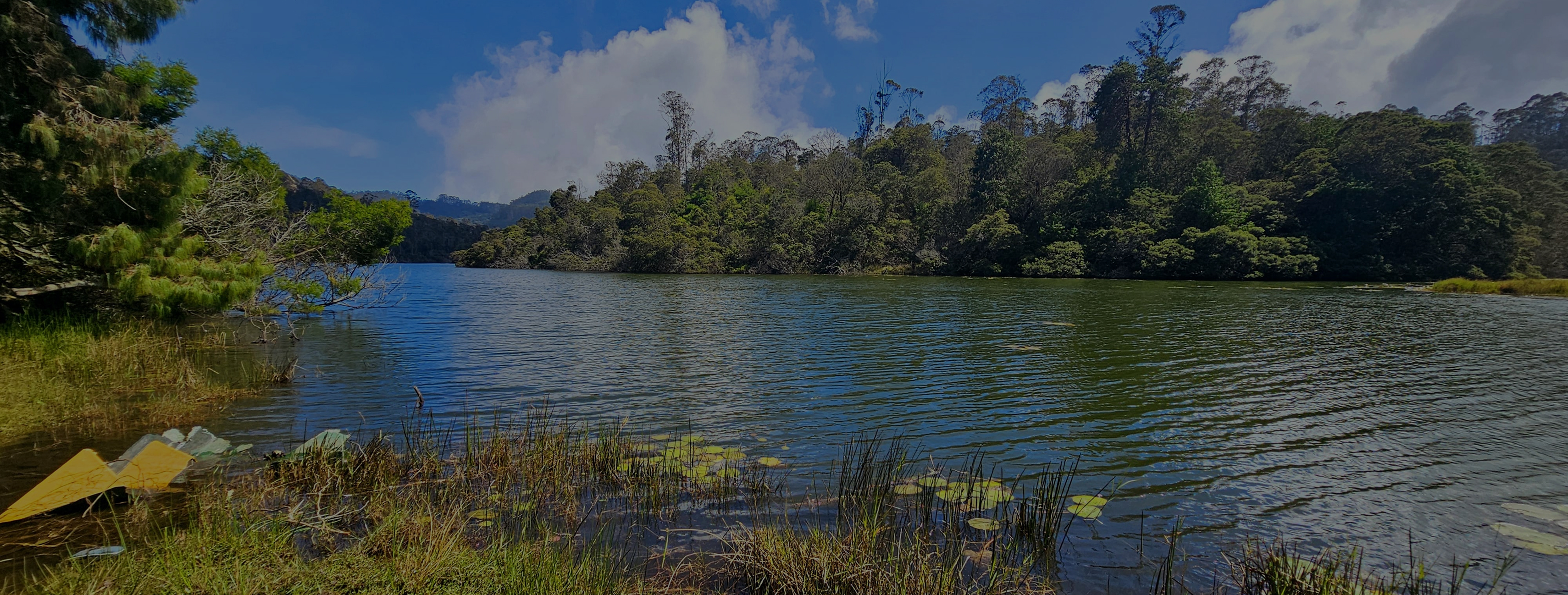
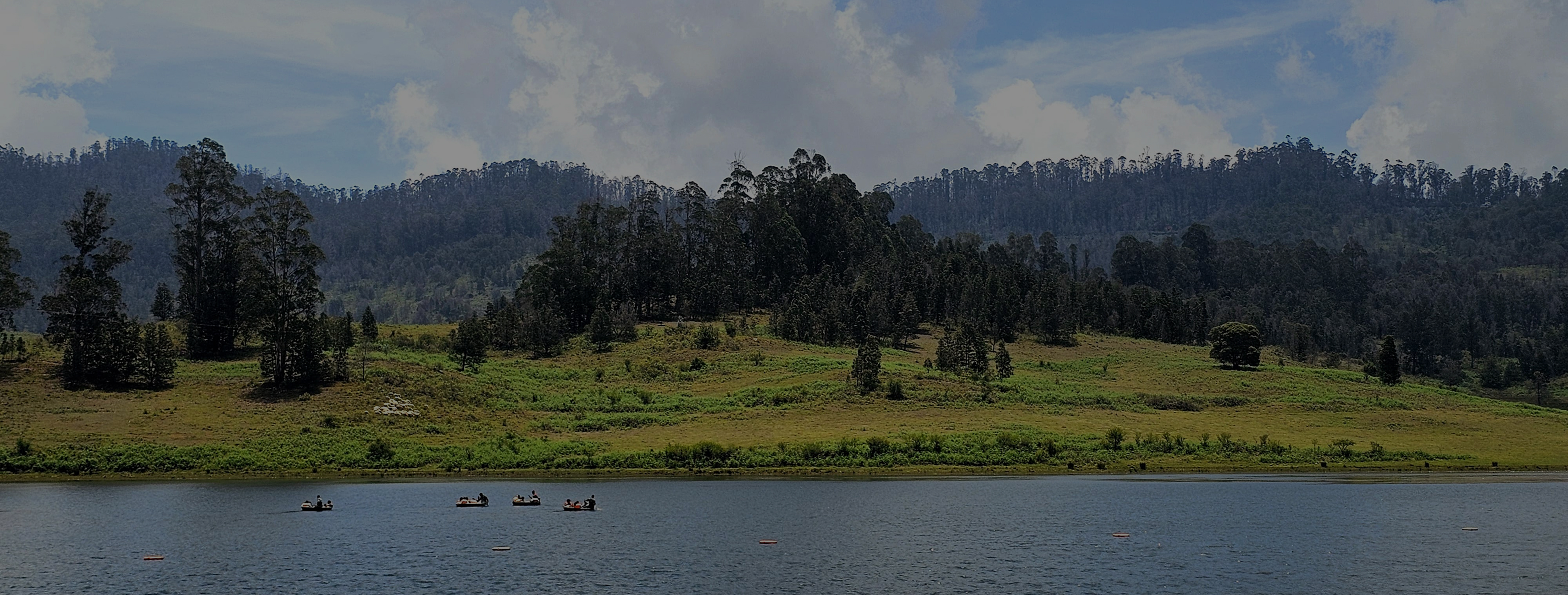
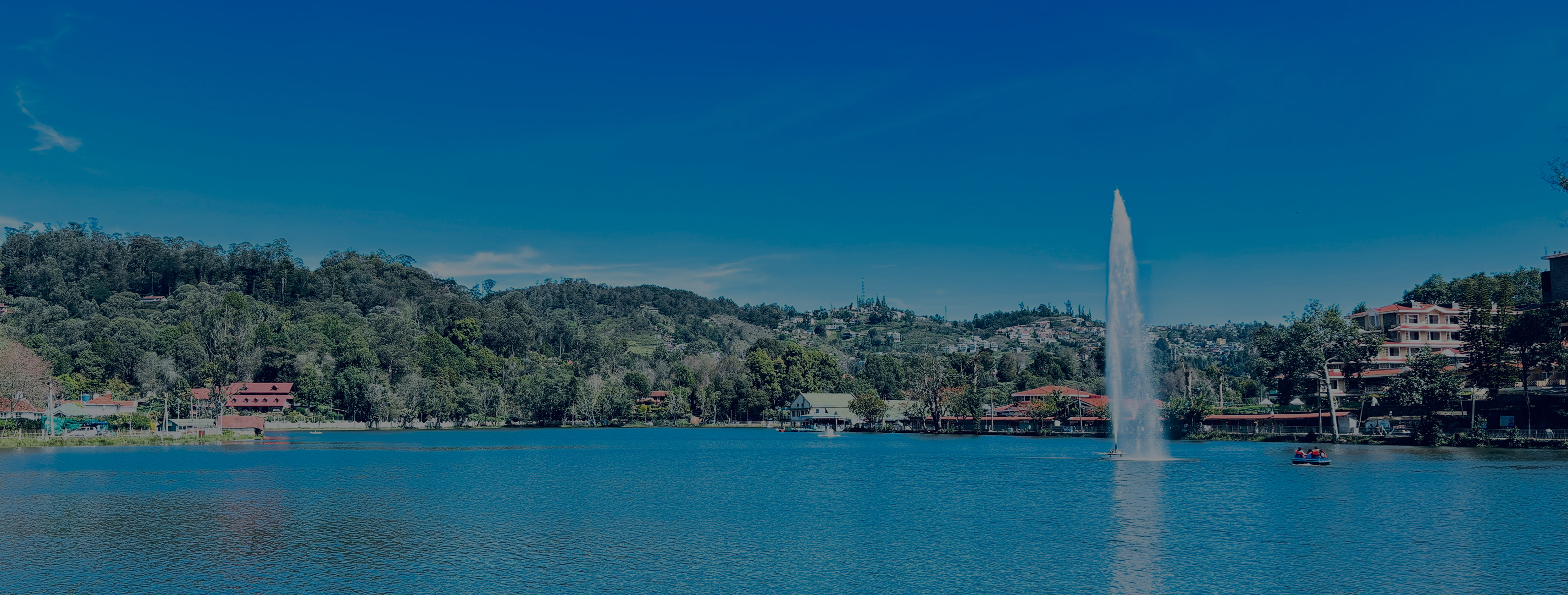
Perched 2,225 metres above sea level in the Western Ghats, Kodaikanal is a living poem of misty hills, silver lakes, and whispering forests. Tourism sustains its people, yet unbridled growth now strains the very beauty that defines it.
A comprehensive methodological framework has been finalized, integrating road, physical, and infrastructure-based assessments with environmental correction factors. To ensure adaptability across seasons and locations, a dynamic “slider-effect” model is being developed to adjust visitor limits in real time. This approach, detailed in earlier reports, will be completed once all seasonal data variants are consolidated.
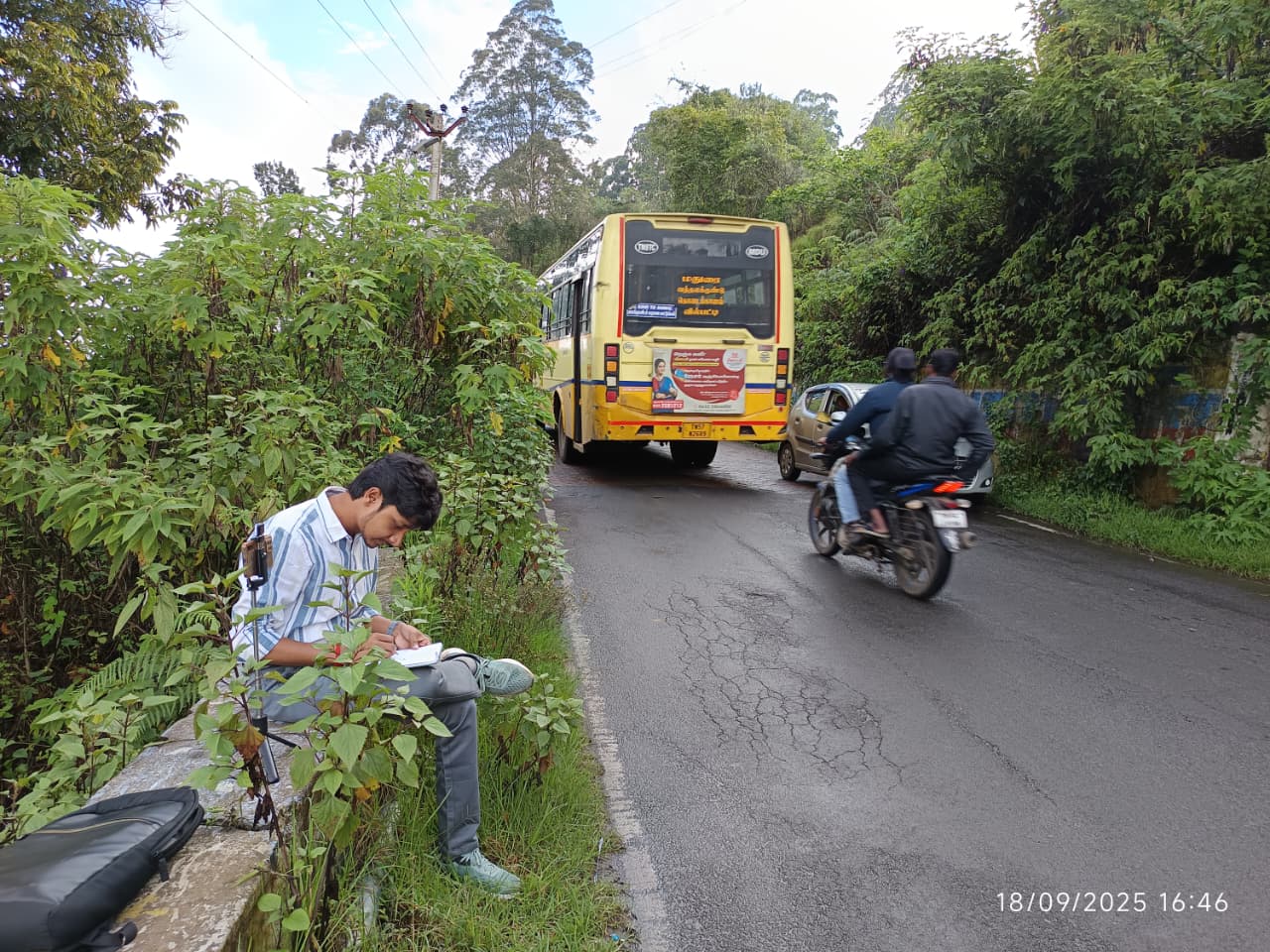
Traffic surveys across major road networks revealed recurring congestion, particularly at entry points and along narrow routes where roadside parking reduces road width. The pre-monsoon study estimates Kodaikanal’s road carrying capacity at 258–310 vehicles per hour per kilometer, allowing a safe daily limit of 3,000–3,500 vehicles. The findings underscore that maintaining a uniform speed limit of 20–25 km/h can ease congestion by up to 75%, while dedicated biker lanes and defined observation bays would significantly improve traffic flow and safety.
Tourist sites in Kodaikanal vary widely in their resilience to visitor pressure. Larger attractions such as lakes, gardens, and caves are often limited by weather, sanitation, and emergency access, while smaller cultural and religious spots perform better despite their modest scale. The study highlights the importance of consistent public amenities, unobstructed viewing corridors, and regulated vendor activity—ensuring each site remains safe, accessible, and visitor-friendly.
.JPG)
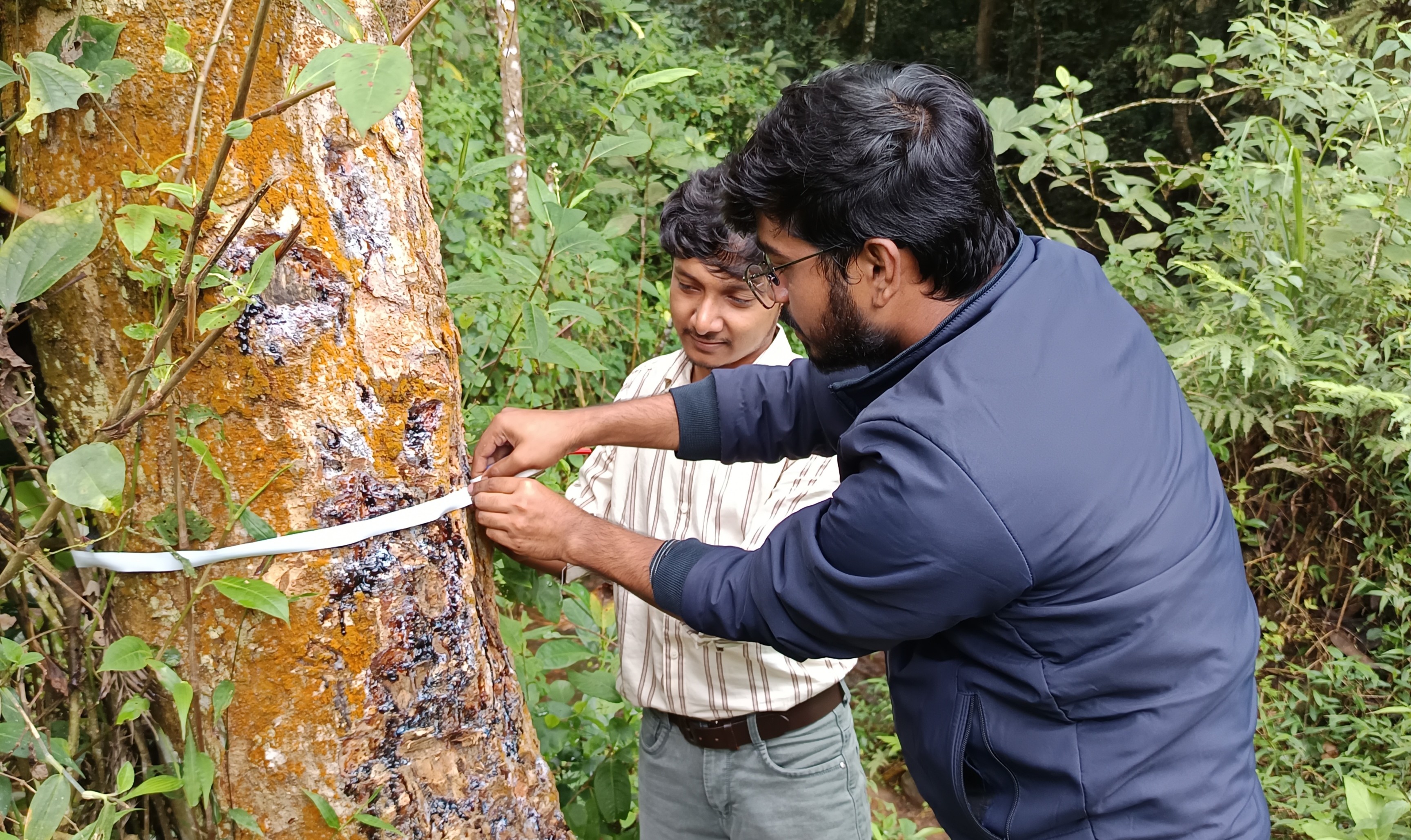
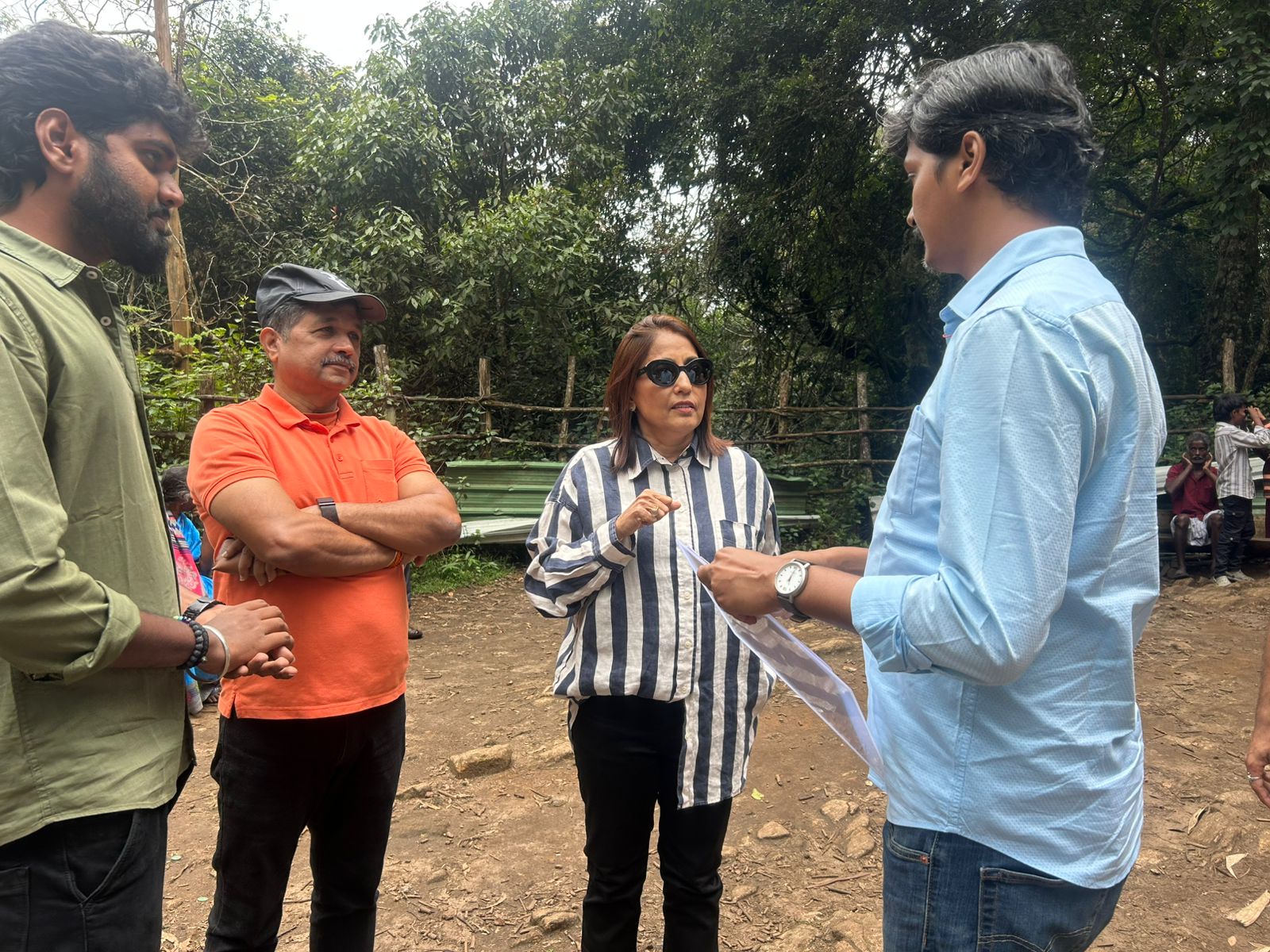
Analysis of environmental correction factors indicates that sanitation, emergency response, weather variability, and water availability are the key determinants of Kodaikanal’s real carrying capacity. Remote destinations like Mannavanur Lake face unique logistical and transport constraints. Further correlation studies and stakeholder consultations are underway to refine these findings and establish site-specific management protocols.
: Collaborations with government departments, hospitality operators, and community organizations have reinforced the urgency of managing traffic, improving waste systems, and encouraging responsible vendor behavior. These engagements have built a shared commitment among stakeholders to balance tourism growth with ecological sustainability and community welfare.
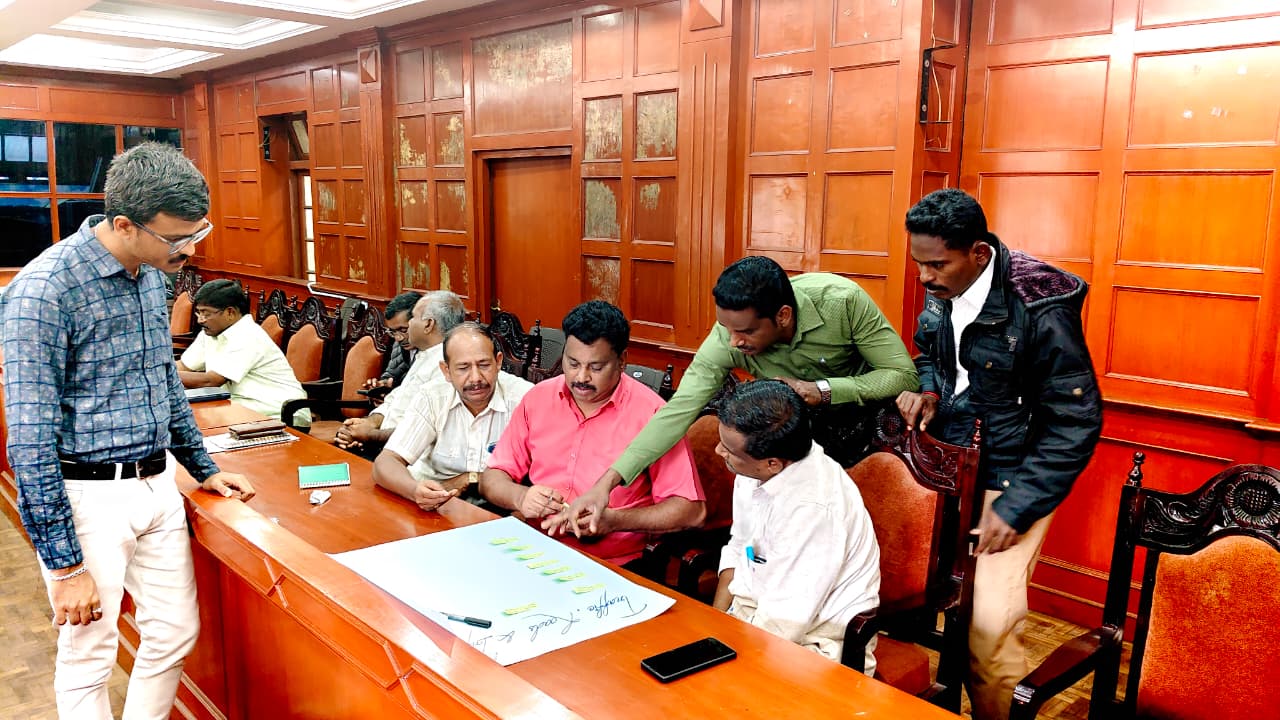

: Collaborations with government departments, hospitality operators, and community organizations have reinforced the urgency of managing traffic, improving waste systems, and encouraging responsible vendor behavior. These engagements have built a shared commitment among stakeholders to balance tourism growth with ecological sustainability and community welfare.